
Rainwater Harvesting: Methods and Benefits
Rainwater is the purest natural water source. Harvesting it can solve water shortages and reduce floods. Learn the simple components of a harvesting system for homes and industries.
G1 Aqua engineering team
3 min read
In a world of shrinking groundwater tables, letting rain flow into the drain is a crime. Rainwater Harvesting (RWH) is the simple act of collecting rain from surfaces (like roofs) and either storing it for use or diverting it back into the ground.
The Math: How much can you save?
The formula is simple: Harvest = Area (m²) × Rainfall (mm) × Runoff Coefficient (0.8)
| Roof Area | Annual Rainfall | Potential Harvest (Liters) | Equivalent to |
|---|---|---|---|
| 100 m² (Small Home) | 800 mm (Moderate) | 64,000 L | 12 Tankers |
| 500 m² (Apartment) | 1,000 mm (High) | 400,000 L | 80 Tankers |
| 2,500 m² (Factory) | 1,000 mm (High) | 2,000,000 L | 400 Tankers |
(Note: Concrete roofs have a coefficient of ~0.8-0.9. Garden soil absorbs water, so it has a low coefficient of ~0.2)
Components of a System
1. Catchment & Conduit
The roof is the catchment. PVC pipes are the conduit.
- Tip: Keep roof clean. Avoid chemical waterproof coatings that leach toxins.
2. First Flush Diverter (The Gatekeeper)
When it rains after a long dry summber, the first 10 minutes wash down bird droppings, dust, and leaves. You DO NOT want this in your tank.
- Mechanism: A simple vertical T-pipe. The dirty water falls into this "dead end" pipe first. Once it's full, a floating ball seals it, and the remaining CLEAN water flows over into your tank.
- Reset: You open a small valve at the bottom to drain the dirty water after the rain stops.
3. Filtration
Before storage, removing fine silt is crucial.
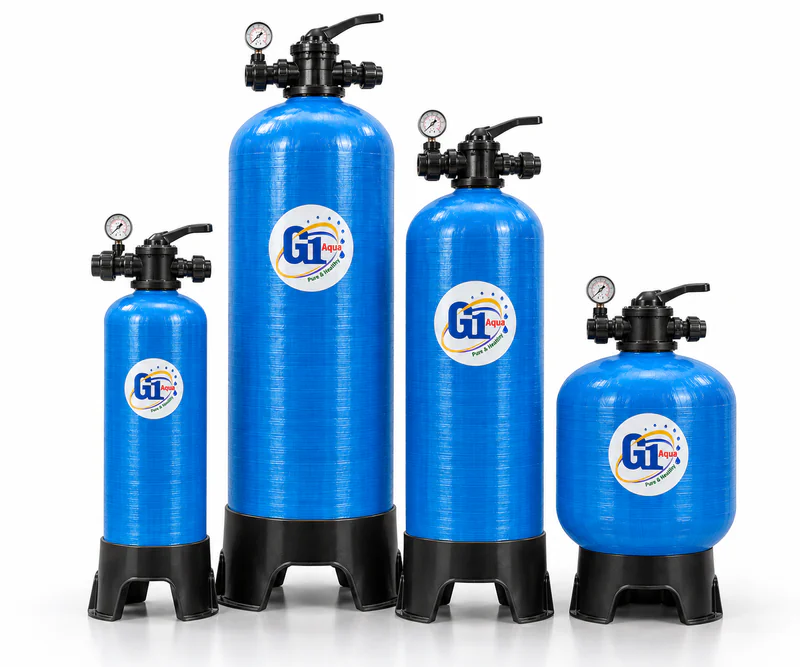
- Gravel/Sand Filter: A masonry tank with layers of big gravel (bottom), small gravel (middle), and sand (top).
- Vortex Filter: Uses centrifugal force to spin out dirt. Good for industrial pipes.
4. Storage or Recharge?
- Store: If you need water for flushing/washing.
- Recharge: If your borewell is dry. Directing filtered rain into a borewell acts like an IV drip for the earth, raising the water table locally.
Pre-Monsoon Maintenance Checklist
Do this every year in May/June:
- Clean the Roof: Sweep away leaves and silt.
- Check Gutters: Ensure no blockage or bird nests in the pipes.
- Empty First Flush: Ensure the diverter valve is not clogged.
- Wash Filter Media: If using a sand filter, scrape off the top 2 inches of dirty sand and replace/wash it.
Questions people ask
Know someone with the same problem? Send them this guide.
Products in this guide
Is this your problem?
Send a photo or your water report. An engineer will tell you what fits.
Ask on WhatsApp